STAFF
STORY
Portfolio and Access Strategy, Investment for Impact
I work in the Portfolio and Access Strategies team. My role is to help ensure that GHIT's investments achieve the greatest impact possible with the resources we have, running our portfolio as efficiently as possible.
I work with advisors and experts to understand where GHIT funding can make the biggest difference. Much of my work involves looking across the GHIT portfolio to see how projects fit together, whether they align with global needs, where the gaps are, and how we can use our funding more efficiently.
Twice a year, I help craft our RFPs, mainly the Product Development Platform RFP, creating detailed scopes for what we want to achieve for each intervention and disease. I also work closely with our Investment Management colleagues and Partnership Development teams to understand project progress and challenges, and to identify new work on the horizon. We don't just think about research, we think about how to get the product to the people who need it, thinking about it together from the beginning.

I've always wanted to be a scientist, since I was very young. I was born in Hong Kong and moved to London after high school specifically to pursue my dream of studying science.
I studied biochemistry at university, and I remember writing in my personal statement that I wanted to make vaccines to help children. From early on, I was always attracted to the idea of using science or medical research to bring something good to the world. During my biochemistry degree, I did a placement year at a pharmaceutical company working on vaccines research, which led me to pursue a PhD in immunology at Oxford.
But growing up in Hong Kong really shaped this path. During the SARS outbreak in 2003, Hong Kong is very crowded with lots of people in a small area, and we'd see scenes in the news showing how many people died every day: healthcare professionals dying while trying to save patients and combat something no one understood. Schools were closed, things got canceled. Everyone wore masks. This was long before COVID, and it was scary.
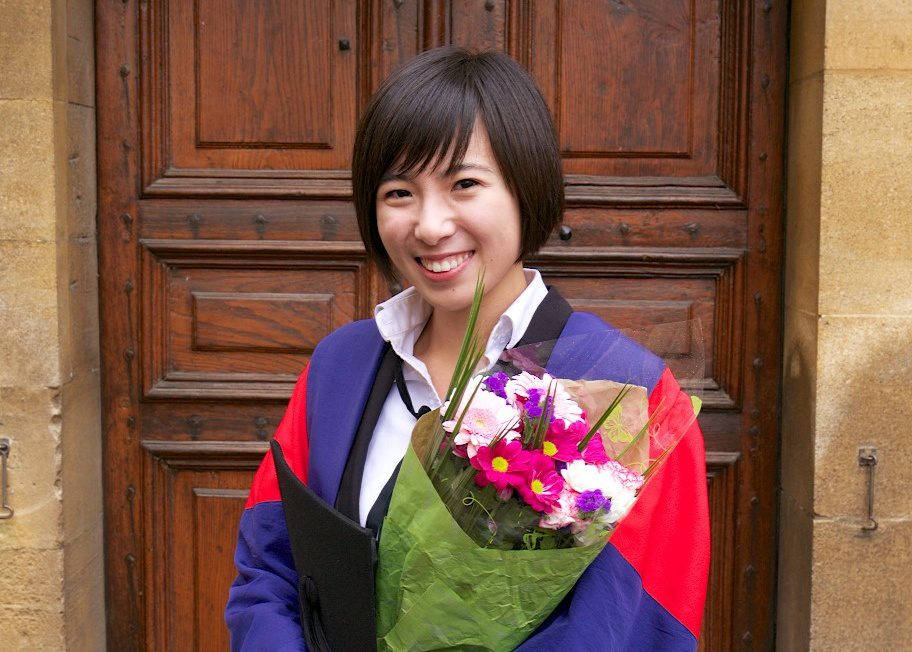
Memories from my student days in the UK
I remember thinking: that should not happen again. That stayed with me and inspired me to study emerging diseases during my PhD. I focused on vaccines for flu and during my PhD, the 2009 H1N1 pandemic happened.
I spent 1.5 months in China during that pandemic to work on a pandemic H1N1 vaccine trial at the Chinese CDC in Beijing. It was an eye-opening experience because cases were popping up across China, and my colleagues at the CDC had to travel to local places to investigate. Because it was an unknown disease at that time, I remember hearing some of them making a quick call home before heading out. That was simply part of the reality of surveillance work.
Seeing how people working in the field were operating was truly remarkable. It inspired me to understand how science can protect people from unknown threats and help people face such threats, which can be quite unexpected even in places where healthcare systems are strong.
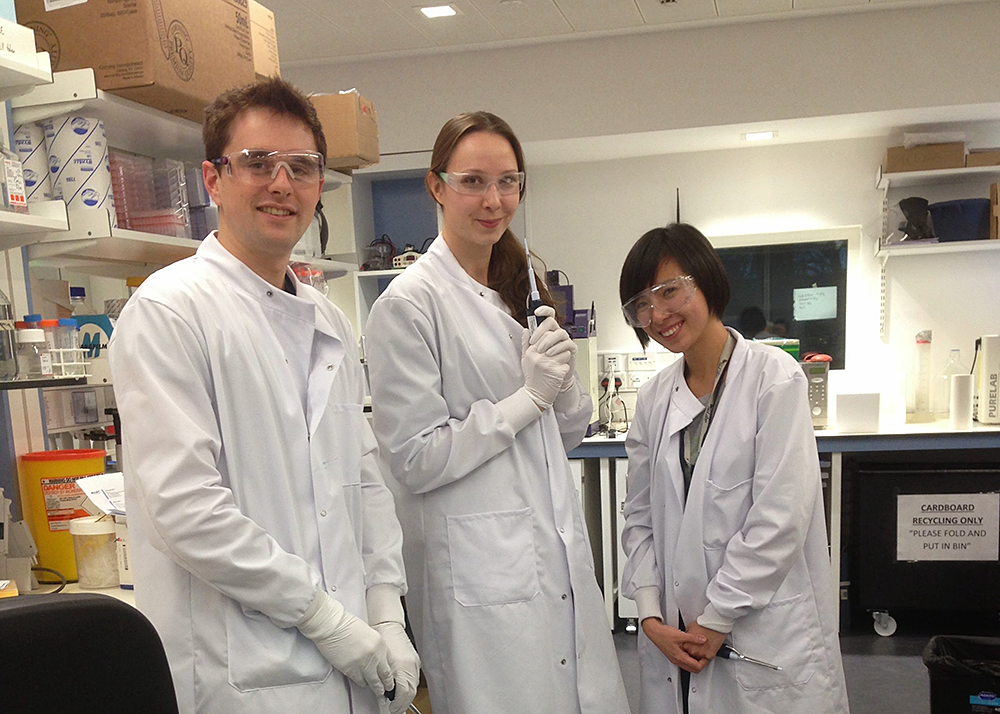
Lab buddies during my postdoc in Oxford
After my postdoc, I kept thinking, “If not research, then what?” I knew I wanted to stay close to science but contribute in a different way. Consulting seemed like a natural step, so I went into market access, looking at pricing and reimbursement for pharmaceuticals.
Consulting taught me a lot. I saw how fundamentally different health systems are from country to country. A lot of people are not protected. Even if you have very good medicines, the people who need them won't necessarily get them. Having learned how different health systems are, I realized I needed to learn more than just science. That's why I decided to move into global health, which also aligned with my personal interests from the very beginning.
I saw a job ad at Wellcome focusing on accelerating vaccine development in endemic settings, which aligned perfectly with what I had been doing during my PhD.
When I was a researcher, I used to believe that good science is enough, that science itself, data itself, will speak for itself. But after moving to funding, I realized that ideas are not enough. We also need a plan to implement the idea, policies to uptake the research, and of course, funding is key.
Working as a funder is very humbling. Decisions have far-reaching impact on people and science. It's important to keep the realities in the field top of mind.
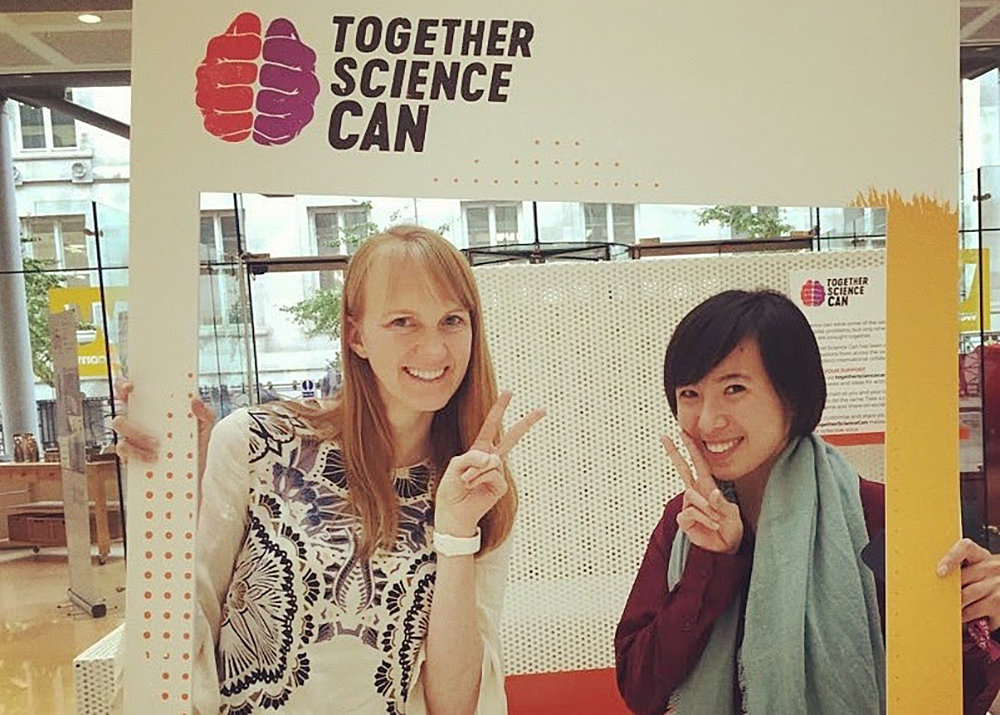
Throwback to my Wellcome days in the UK
While I was at Wellcome, GHIT was one of the organizations we funded, so I always knew about the good work GHIT was doing.
People have always been so welcoming. GHIT is a very international place. Although many colleagues are Japanese, they come from very diverse backgrounds having lived or studied in different countries, which creates an international feel in the office.
After almost four years at GHIT, I am still inspired by how closely we work with partners, with a real sense of shared responsibility. A lot of our partners have been working on advancing the same projects for almost a decade. I see every day how translating research into impact is not just about the money funders provide, but also about relationships and long-term dedication.
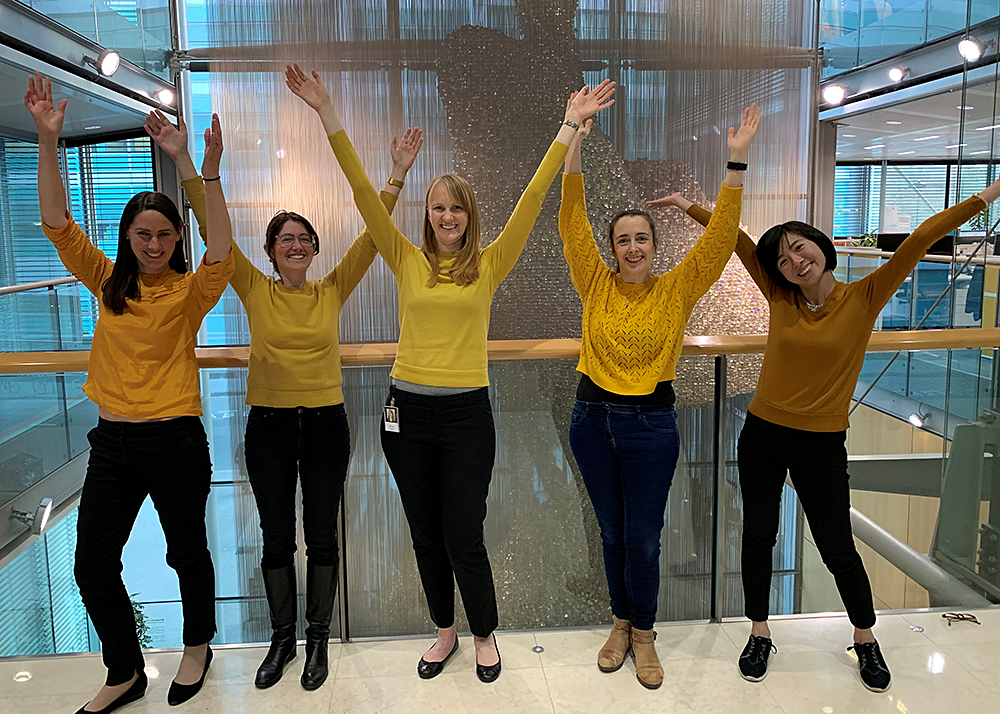
My lovely colleagues all in yellow by accident on a random day
I'm a huge believer in girls and women working in science. Growing up, I was free to do whatever I wanted, and my family encouraged me to pursue science. I wish that were the case for more girls.
I also wish people realized there are so many more paths after doing a research degree than only working in a lab. A lot of my fellow graduate school researchers actually now work in areas like venture capital, patent law, medical writing. A scientific background provides analytical skills that are useful across many fields.
Over time, I’ve come to better understand the power of research to shape conversations and bring communities together, and how real impact happens when science is connected to people’s needs and the systems that support them. Global health relies on people who can work across those boundaries. Pure research is, of course, a rewarding career path as well.
I would really encourage young people: if there's something you want to do, just go for it. You never know where that will take you. I never thought I would end up in Japan after all those years in the UK!
*This interview was conducted in October 2025.
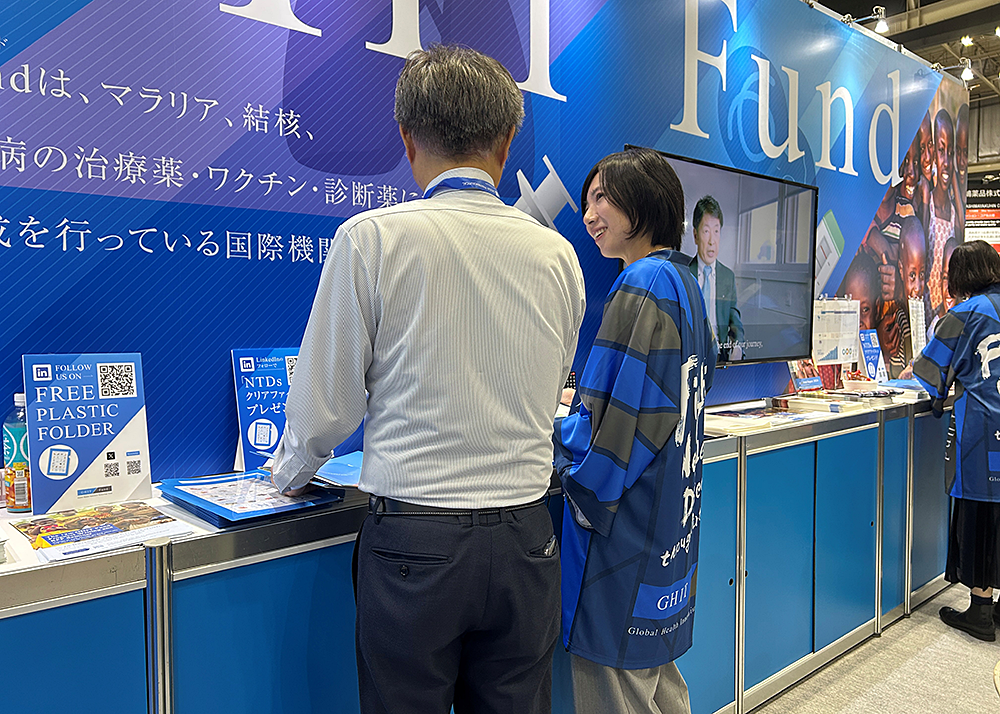
Explaining our business activities at BioJAPAN 2025
Portfolio and Access Strategy, Investment for Impact
Cecilia is a Senior Manager in Investment for Impact at GHIT, where she leads portfolio strategy. She has a research background in immunology and infectious diseases and is passionate about how innovation can address global health challenges. She previously worked at the global research funder Wellcome in London, where she shaped strategy and managed partnerships to advance vaccine development for infectious diseases. Her experience also includes pharmaceutical market access consulting and work with the World Health Organization. Cecilia holds a BSc in Biochemistry with a Year in Industry from Imperial College London and a DPhil in Clinical Medicine from the University of Oxford.
*Affiliation and position are as of the time of the interview.
STORY INTERVIEWS

Yukie Michelle Lloyd, PhD
Senior Manager,
Investment Management,
Investment for Impact

Satoshi Horiuchi
Senior Manager
External Affairs &
Corporate Development

Cecilia Chui, PhD
Senior Manager,
Portfolio and Access Strategy,
Investment for Impact

Mina Ohata
Manager
Investment Strategy
Planning & Management

Staff Dialogue
GHIT's Diverse Culture
A Decade of History and
Diverse Approaches to Work
*Affiliation and position are as of the time of the interview.